 1 month ago
33
1 month ago
33
Relief for global markets comes after Trump says Iranian officials are keen on a deal.

Published On 14 Apr 2026
Asia’s main stock markets have surged, and oil prices have declined amid renewed hopes for ceasefire talks between the United States and Iran.
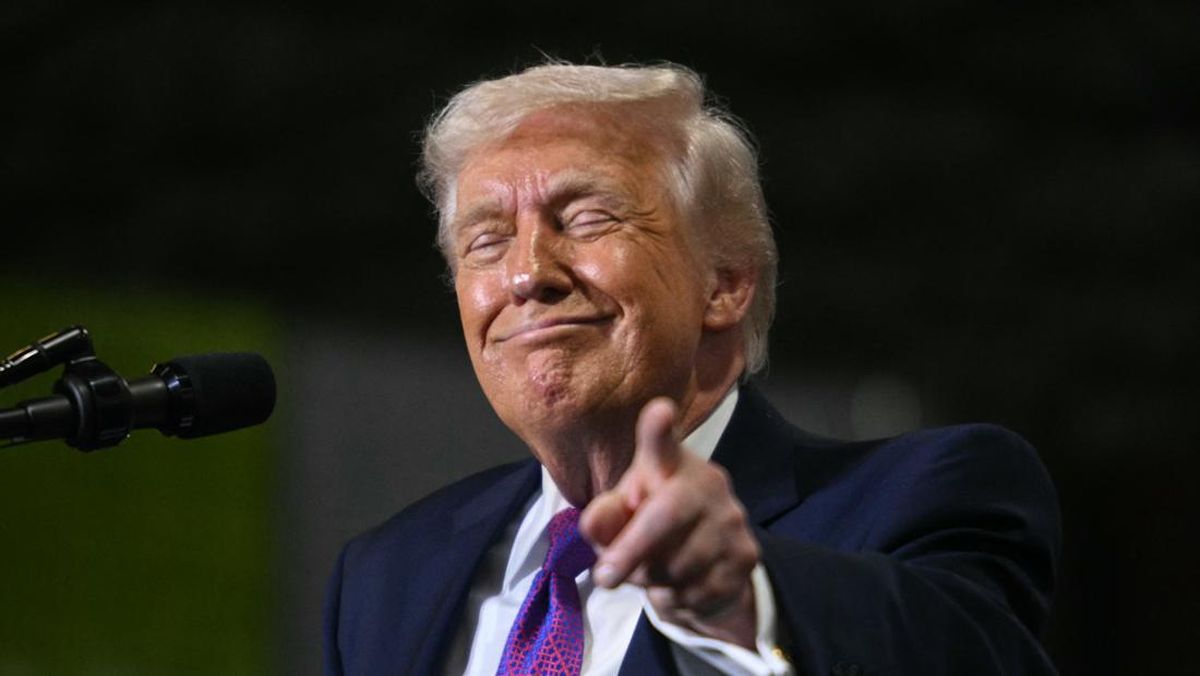
The relief for global markets on Tuesday came after US President Donald Trump said overnight that Iranian officials had reached out to his administration and expressed their openness to a deal.
Recommended Stories
list of 4 items- list 1 of 4US military kills two men in new strike on vessel in eastern Pacific
- list 2 of 4Super Typhoon Sinlaku bears down on Northern Mariana Islands, Guam
- list 3 of 4Man charged with attempted murder of OpenAI CEO Sam Altman
- list 4 of 4Three babies born into Sudan war every minute, charity warns
“We’ve been called by the other side, and they would like to make a deal very badly,” Trump said in remarks at the White House.
Japan’s benchmark Nikkei 225 rose as much as 2.5 percent on Tuesday, while South Korea’s KOSPI gained about 3.7 percent.
Singapore’s Straits Times Index climbed about 0.6 percent.
In Hong Kong, the Hang Seng Index was up about 0.4 percent in the early afternoon, while the SSE Composite Index in Shanghai was about 0.5 percent higher.
The rally in Asia followed gains on Wall Street, with the benchmark S&P 500 finishing up 1 percent overnight.
Brent crude, the benchmark for global oil prices, dipped nearly 1.5 percent, falling below $98 a barrel.
The positive turn for markets came despite the US following through on its threat to impose a naval blockade on Iranian ports, a move that analysts warn is likely to exacerbate the energy shortage that is roiling the global economy.
Brent had surged above $103 per barrel after Trump on Sunday threatened to impose a blockade on the Strait of Hormuz, a conduit for about one-fifth of global oil and natural gas supplies.
The US military later clarified that the blockade would only apply to vessels entering and exiting Iranian ports, in an apparent scaling back of Trump’s threat to fully close the waterway.
Iran has effectively halted shipping through the strait since the start of the war on February 28, throwing the global energy market into a tailspin.
Only 21 vessels transited the strait on Sunday, according to maritime intelligence provider Windward, compared with roughly 130 daily transits before the start of the conflict.