
 PA Media
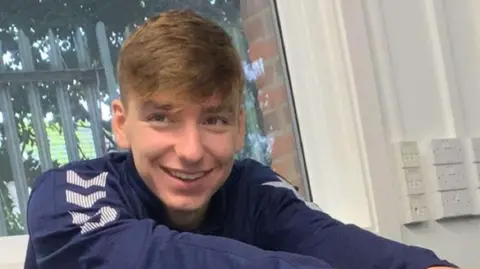
Adam Ankers collapsed while playing football and died in hospital days later
Football coaches and referees should receive mandatory training to identify signs of sudden cardiac arrest, a coroner has urged.
Assistant coroner Valerie Charbit told West London Coroner's Court on Tuesday that ordinary people struggled to recognise the symptoms of cardiac arrest.
But in submissions to the virtual hearing, the Football Association (FA) argued making training obligatory could exclude children from refereeing.
The original inquest into Adam's death heard a defibrillator was brought on to the pitch, but no-one used it to save his life because there was confusion as to whether it was safe to use.
The FA offers a free, online module "designed to help recognise a sudden cardiac arrest and respond appropriately", according to its website.
At Tuesday's hearing, Charbit insisted this should be compulsory and extend to all members, including grassroots coaches and referees.
She dismissed the FA's concern about child referees potentially having to deliver life-saving care, saying: "The responsibility for first aid lies with all ages within society."
Charbit also said difficulties for the FA in training 185,000 coaches were outweighed by the number of lives that could be saved.
He died in hospital on 4 February that year, after it was found he had suffered unsurvivable brain damage.
Charbit ruled a failure to spot Adam was suffering from cardiac arrest "more than minimally" contributed to his death.
 Getty Images
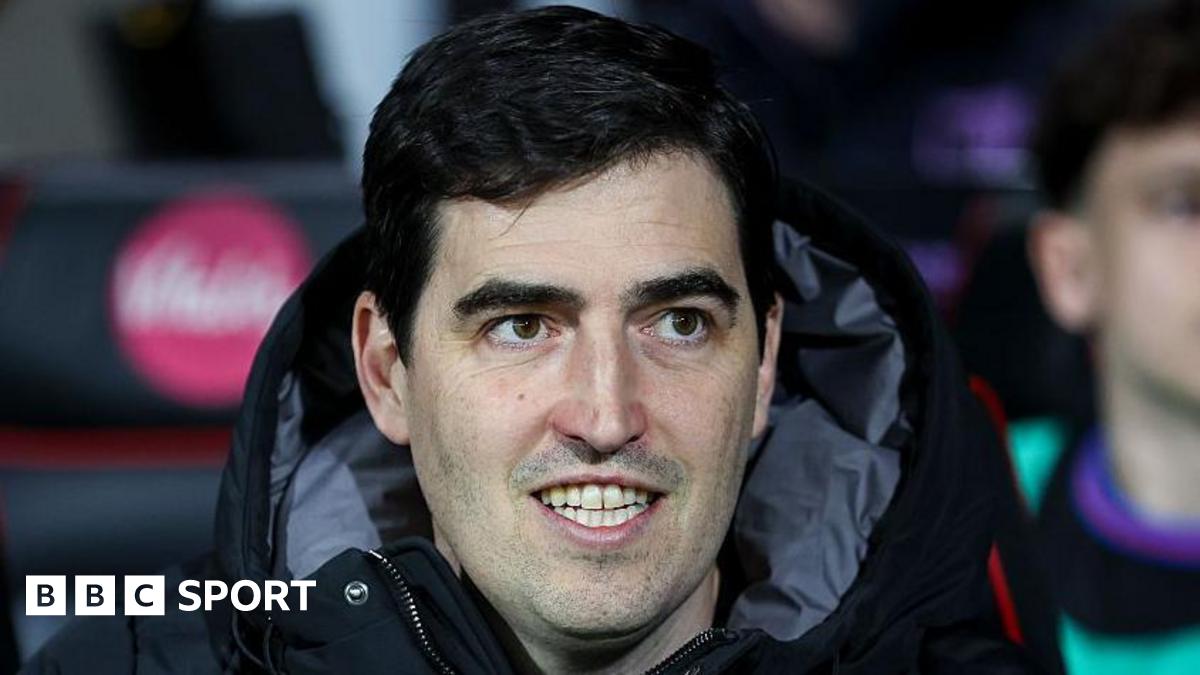
Matt Bloomfield, who was Wycombe Wanderers' manager when Adam died, previously said he was "deeply shocked" by what happened
The evidence led to her composing a prevention of future deaths report, the details of which she outlined on Tuesday.
In it, she said both ordinary people and ambulance call handlers had difficulty recognising the symptoms of cardiac arrest and agonal breathing, a symptom experienced by Adam.
"Although there was training given, and some of those on the pitch were trained, there was still a misidentification of Adam's agonal breathing by those on the pitch and those receiving the 999 call," Charbit said.
She said she hoped the report would prevent similar deaths.
Do you have a story suggestion for Beds, Herts or Bucks? Contact us below.