
 1 month ago
22
1 month ago
22
Dear subscribers,
Indonesia’s digital and technology landscape is entering a new phase of acceleration, driven by strategic capital activity and policy reform. Somethinc’s potential strategic sale, IDX’s phased 15% free float rule, and a newly launched US$110 million AI-focused IPO fund reflect sustained investor appetite for scalable, innovation-led businesses. Operational expansion is equally visible, with RedDoorz adding 100 hotels and Grab intensifying AI integration to enhance profitability. At the same time, QRIS cross-border expansion, the launch of a Digital Innovation Center, semiconductor talent collaboration, and firmer data governance signal a market that is evolving from high growth to structural strengthening and global positioning.
Thanks for reading RISE by DailySocial! Subscribe for free to receive new posts and support my work.
They need starting points. That’s where we come in.
No tools pushed. No automation hype. Just clarity.
If AI is on your agenda this year, start here!

Stay ahead,
DailySocial Team
Somethinc explores strategic sale amid beauty sector momentum
Indonesian beauty brand Somethinc is reportedly evaluating a strategic sale. The move comes after years of rapid revenue growth and strong positioning in the mass-premium skincare segment, reflecting sustained investor appetite for consumer brands with scalable omnichannel strategies. Strategic interest signals continued confidence in Indonesia’s domestic consumption story, particularly among digitally native brands. As consolidation accelerates across Southeast Asia’s beauty landscape, this development highlights the maturity of local champions capable of attracting regional capital flows.
IDX to phase in 15% free float rule
The Indonesia Stock Exchange (IDX) plans to introduce a 15% free float requirement in stages. The policy aims to enhance market liquidity, improve price discovery, and align domestic listing standards with global best practices. By allowing phased implementation based on issuer readiness, regulators are balancing reform with market stability. Over time, this could deepen institutional participation and reinforce Indonesia’s capital market credibility.DBS and Granite Asia launch US$110m AI-focused IPO fund
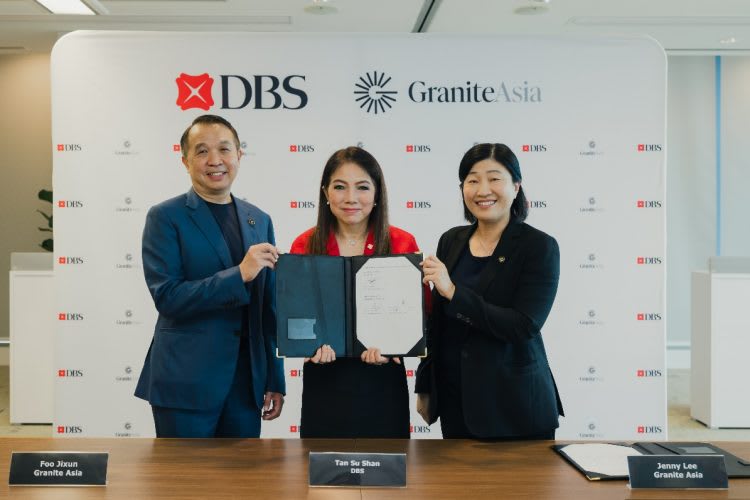
Singapore-based DBS Bank and Granite Asia have unveiled a US$110 million AI-focused IPO fund targeting high-growth Asian companies. The vehicle is designed to back firms preparing for public listings, particularly those leveraging artificial intelligence to scale regionally. With AI adoption accelerating across fintech, logistics, and enterprise SaaS, Southeast Asia stands to benefit from increased pre-IPO capital support. For Indonesian startups eyeing public markets, this initiative signals sustained regional liquidity for tech-driven growth stories.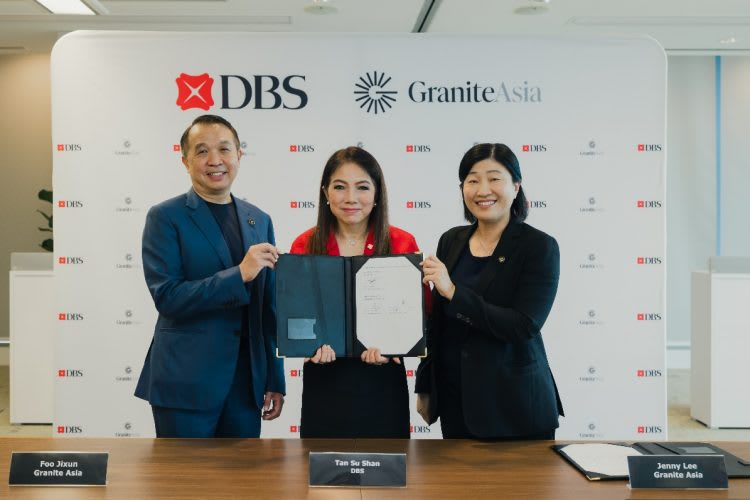
RedDoorz expands with 100 company-operated hotels
Budget hospitality platform RedDoorz is adding 100 company-operated hotels in Indonesia, strengthening its hybrid asset-light strategy. This expansion reflects rising domestic travel demand and improving occupancy dynamics post-pandemic. By increasing directly managed inventory, the company gains tighter quality control and margin visibility. The move reinforces Indonesia’s position as a core growth engine for regional travel-tech players.

Government ensures secure Indonesia–US data transfers
The Indonesian government has reaffirmed that cross-border data transfers between Indonesia and the US comply with the Personal Data Protection Law (UU PDP). Regulatory clarity is critical as digital trade and cloud infrastructure deepen bilateral ties. Assurance around compliance reduces uncertainty for multinational tech firms and domestic digital players alike. This step strengthens trust in Indonesia’s data governance framework while supporting global digital integration.Danantara and Arm sign MoU, 15,000 engineers to be sent
President Prabowo Subianto witnessed an MoU between Danantara and Arm, with plans to send 15,000 engineers from Indonesia. The collaboration emphasizes semiconductor capability building and talent mobility. Large-scale engineering exposure to global chip ecosystems could accelerate domestic hardware innovation capacity. This signals a long-term commitment to positioning Indonesia within the global semiconductor value chain.QRIS to connect with India and Saudi Arabia
Indonesia’s national payment standard QRIS will soon be interoperable with India and Saudi Arabia. Cross-border QR payments enhance transaction convenience for travelers and SMEs engaged in international trade. Expanding QRIS connectivity strengthens Indonesia’s digital payment footprint beyond Southeast Asia. The initiative reinforces regional fintech leadership and supports inclusive digital finance growth.Digital Innovation Center launched with OJK and BI
Indonesia’s financial regulators, including Otoritas Jasa Keuangan (OJK) and Bank Indonesia, have launched the Digital Innovation Center. The initiative aims to foster fintech experimentation within a supervised regulatory sandbox environment. Structured collaboration between regulators and innovators can reduce compliance friction while encouraging responsible product rollouts. This institutional support strengthens Indonesia’s digital finance infrastructure.BI lobbies Apple to enable QRIS Tap for iPhone users
Bank Indonesia is lobbying Apple headquarters to enable QRIS Tap access for Indonesian iPhone users. Enabling near-field communication (NFC) access would broaden contactless payment adoption across premium smartphone segments. The negotiation reflects proactive regulatory engagement to ensure technology inclusivity. Wider QRIS Tap accessibility could further accelerate cashless penetration nationwide.Grab bets on AI to triple profit by 2028
Super app Grab plans to leverage artificial intelligence across services to potentially triple profits by 2028. AI deployment spans demand forecasting, driver allocation, and financial services optimization. As one of the region’s largest platforms with significant operations in Indonesia, performance improvements could cascade across mobility, food delivery, and fintech ecosystems. The strategy reflects growing confidence that AI-driven efficiency can unlock the next phase of sustainable profitability in Southeast Asia’s digital economy.Komdigi limits login feature on Wikipedia Indonesia
The Ministry of Communication and Digital (Komdigi) has restricted certain login features on Wikipedia Indonesia. Authorities cited compliance and content governance considerations behind the move. While regulatory tightening often raises debate, it also reflects increasing scrutiny over digital platforms’ accountability frameworks. The development underscores Indonesia’s evolving digital governance landscape as policymakers refine oversight mechanisms in line with platform scale.
According to the UNCTAD Indonesia eTrade Readiness Assessment 2026, Indonesia’s digital economy has firmly established itself as the largest in Southeast Asia, valued at around US$90 billion in 2024, representing roughly 34% of ASEAN’s total digital economy. E-commerce remains the dominant driver, reaching US$65 billion in 2024, up 10% year-on-year, and accounting for nearly three-quarters of the broader digital economy. With more than 210 million internet users and mobile penetration above 75%, Indonesia benefits from a young, tech-savvy population and expanding smartphone adoption. At the same time, the government has embedded digital transformation into long-term national strategies, positioning digital trade as a pillar toward its 2045 top-five global economy ambition.
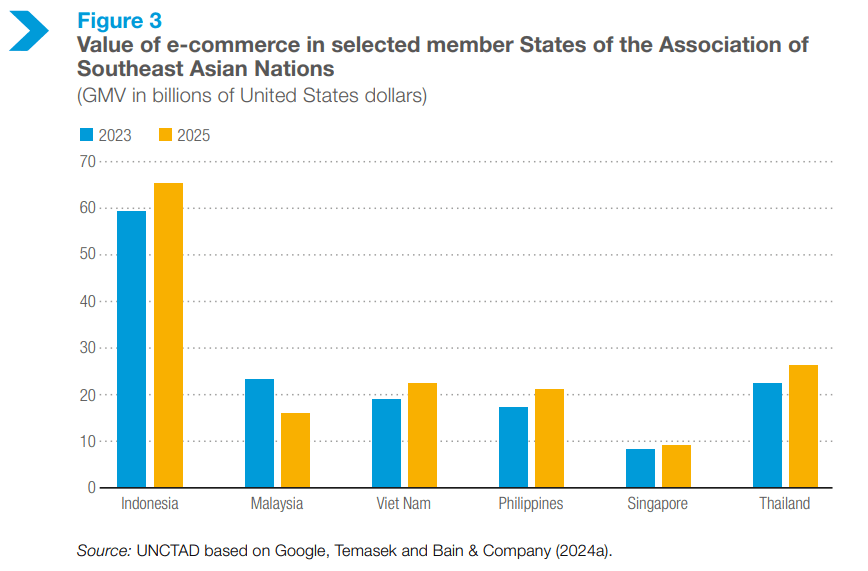
From an ecosystem perspective, the report highlights strong policy momentum but emphasizes coordination and implementation gaps. Indonesia has rolled out major frameworks such as the National E-commerce Road Map, Digital Indonesia Road Map, and the 2030 Digital Economy Strategy White Paper, yet overlapping mandates across ministries and uneven national and local alignment remain operational challenges. On infrastructure, broadband expansion and projects like the Palapa Ring have improved connectivity, though quality and affordability disparities persist outside Java. Meanwhile, MSMEs contributing over 60% of GDP are increasingly online, but only about 40% actively sell online, and less than 10% use advanced digital tools, indicating a significant productivity upside if digital capability gaps are addressed.
The relevance for Indonesia’s market is clear: the foundation is strong, but the next growth phase will depend on deeper institutional coordination, stronger digital skills, regulatory clarity, and inclusive financial access. Digital payments have scaled rapidly, with QRIS accepted by over 30 million merchants and financial inclusion expanding significantly, yet nearly 44% of adults remain unbanked under stricter definitions. To unlock its projected US$300 billion digital economy potential by 2030, Indonesia must accelerate MSME formalization, strengthen data governance under the Personal Data Protection Law, and ensure sustainable logistics and fintech expansion. The report ultimately frames Indonesia not as an emerging digital player, but as a regional digital anchor entering a critical scaling stage.