 1 month ago
28
1 month ago
28
Dear subscriber,
This week’s edition lands at a fascinating inflection point for Indonesia’s digital economy. The story that ties almost everything together is that the era of growth-at-all-costs is officially ending and the platforms that built durable businesses are finally being rewarded for it. The signal across all of them is the same — Indonesia’s digital economy is maturing into something more disciplined, more regulated, and finally, more profitable.
On July 1–2 at AXA Tower – Kuningan City Grand Ballroom, Jakarta, B2B Tech Asia Expo 2026 returns with a sharper, sector-first format: 10 specialized industry zones built around finance, logistics, healthcare, retail, enterprise IT, and beyond — each designed to connect the right buyers with the right solutions. Hosted by VRIGroup and DailySocial, with sponsors and exhibitors including AWS, Salesforce, SoftBank, SMBC, Jenius, Mekari, and Zoho, it remains Southeast Asia's largest expo built exclusively around B2B software.

Find your zone. Meet your buyer. Register now at b2btechasia.com.
Stay ahead,
DailySocial Team
Danantara Eyes a GoTo Position as Jakarta Rewrites Ride-Hailing Economics.
One of the most strategically loaded moves of the year is unfolding quietly. Indonesia’s sovereign investment body Danantara is reportedly evaluating an investment in GoTo, in a context that’s been completely reshaped by Presidential Regulation 27/2026 — which caps platform commissions at 8% (down from 20%), routes 92% of fares directly to drivers, and mandates insurance and BPJS coverage. Coordinating Minister confirmed the policy on Labor Day (May 1, 2026), framing it as a worker-protection priority co-designed with driver organizations. GoTo says it is reviewing the impact and coordinating with partners and customers, mirroring Grab’s posture. The market read is simple: with margins structurally compressed, only platforms that can scale efficiency, cross-sell into higher-margin verticals, and play the long game will be worth backing — and Danantara appears to be doing exactly that calculus.
Bukalapak’s Q1 Quietly Looks Like a Real Turnaround.
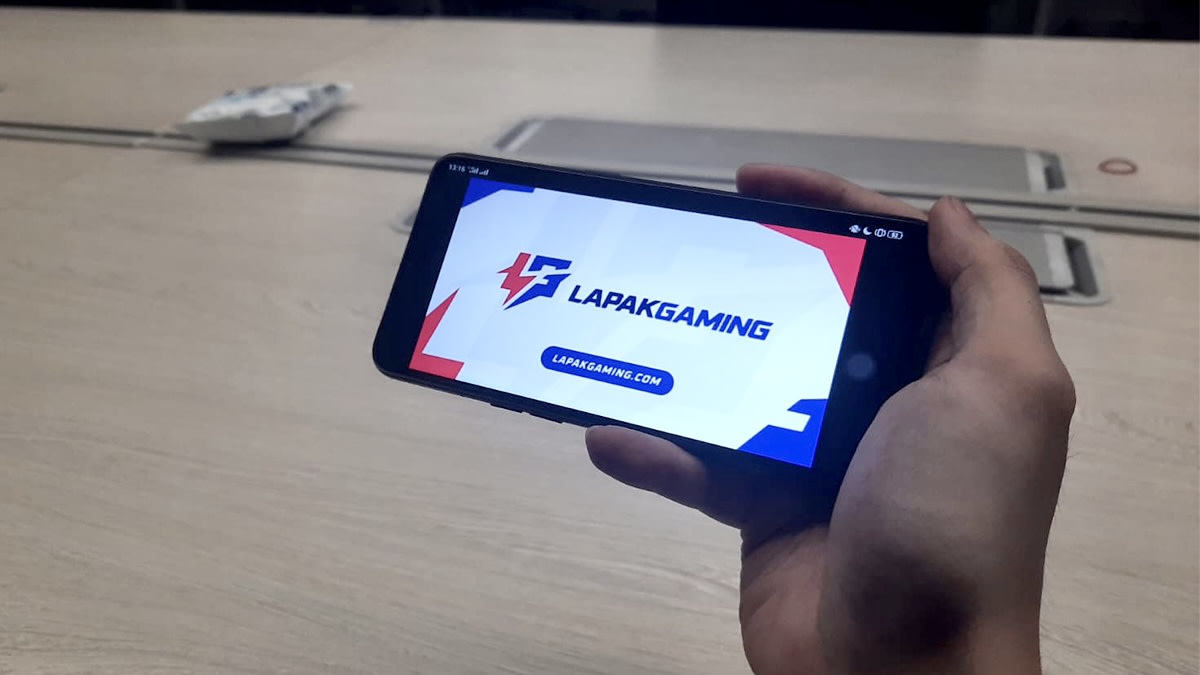
Bukalapak posted Q1 2026 revenue of IDR 2.37 trillion, up 63% year-on-year, with positive contribution margin of IDR 98 billion and adjusted EBITDA of IDR 24 billion. Net profit came in at IDR 424 billion, supported by IDR 16.43 trillion in cash and liquid investments as of March. The growth engine has clearly shifted: Gaming, Mitra, and Investment are doing the heavy lifting while the core Retail segment continues to feel the squeeze from softer consumer spending. For a company that spent years being defined by its struggles, this is the strongest signal yet that the new business mix is actually working.
The gaming segment is the mainstay of the company’s business / Bukalapak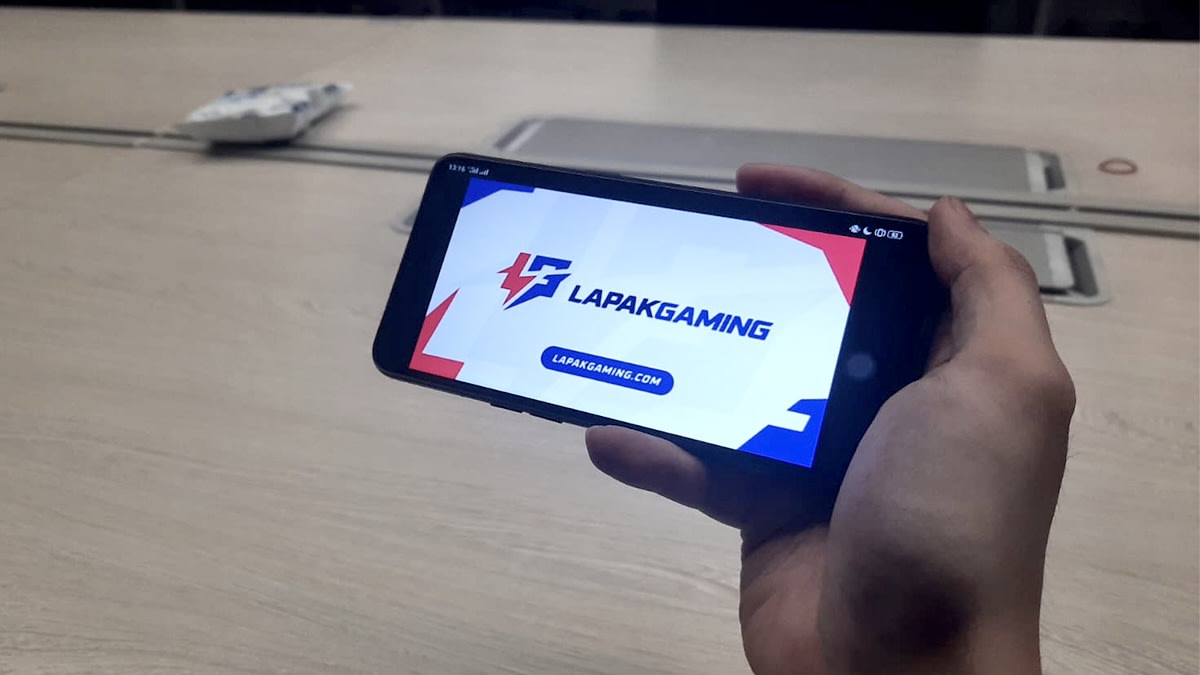
eFishery Saga Closes with a 9-Year Sentence.
The Bandung District Court sentenced former eFishery CEO Gibran Huzaifah to 9 years in prison and a IDR 1 billion fine (with a 190-day subsidiary sentence) for financial statement manipulation and money laundering. The verdict came in lighter than the prosecution’s 10-year request, but it brings formal legal closure to one of the most consequential governance failures in Indonesian startup history. Gibran’s two co-defendants, Angga Hadrian Raditya and Andri Yadi, were tried alongside him. Beyond the courtroom, the case will keep shaping how investors approach due diligence and reporting standards for Indonesian growth-stage companies for years to come.
MNC Digital Files for a Hong Kong Listing.
PT MNC Digital Entertainment Tbk (MSIN) submitted its A1 application for a secondary depository-receipts listing on the Hong Kong Stock Exchange on April 27, 2026, aiming to tap global liquidity and accelerate expansion of digital content products like its V+ Short platform. The advisory line-up reads top-tier: CICC as sole sponsor, Latham & Watkins on legal, EY as reporting accountant, and BNY Mellon as depository bank. With this filing, MSIN becomes the second Indonesian company chasing an HKEX listing this year, following Merdeka Gold Resources, though final approvals are still pending. It is another quiet sign that Indonesian issuers are starting to view Hong Kong — not just Jakarta or New York — as a serious capital-raising option.
VIVA Apotek Acquires Farmaku in a Pharmacy Retail Roll-Up.
PT Sumber Hidup Sehat (VIVA Apotek) signed a conditional agreement on April 10, 2026 to acquire 100% of Farmaku, adding 10 outlets and bringing the network to 125 stores across 44 cities and regencies. With Farmaku contributing roughly IDR 110 billion in annual revenue, the deal is positioned as an omnichannel and distribution-efficiency play, with CEO Haryanto Winata pointing to technology and infrastructure integration as the long-term value driver. In a fragmented pharmacy retail market, expect more of these tuck-in deals as scaled players race to lock in both physical and digital supply chains.
DAUN Farm's Mojorejo Pilot is a Smart Bet on Where Premium Agriculture Actually Gets Sold
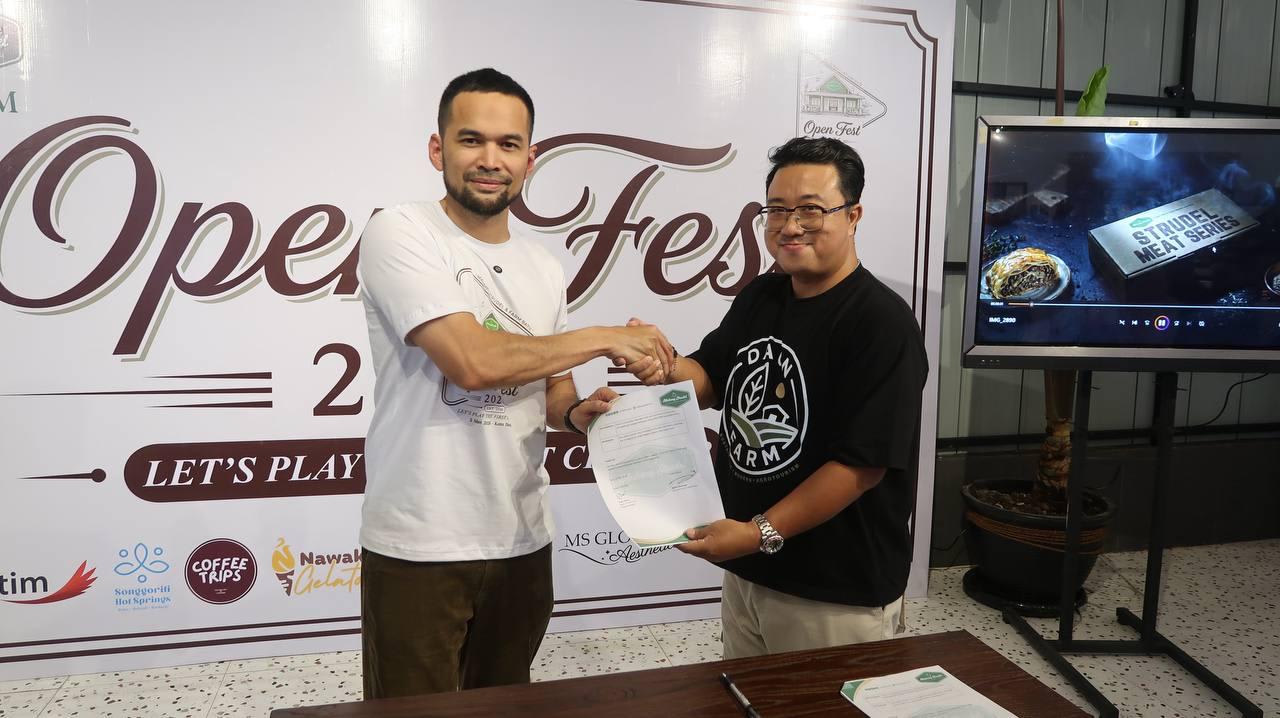
DAUN Farm, the smart agriculture business under DS Group, is preparing to launch a greenhouse melon pilot at Malang Strudel Group's flagship Mojorejo destination, turning one of Malang's busiest culinary-tourism stops into both a distribution channel and a demand-generation engine. The economics look credible: precision-controlled greenhouses producing Grade-A melon with up to four harvest cycles a year (versus 1–2 conventional), 70% better water efficiency, and direct farm-to-consumer sales that bypass the quality-consistency and trust gaps that have historically held back domestic premium produce. With Indonesia's horticulture market growing at an estimated 8–10% CAGR and premium melon still largely imported from Thailand and Japan, the import-substitution opportunity is real — what's been missing is exactly this kind of branded, integrated retail layer. Plans to roll out more farms across Malang Raya within 12–18 months suggest this is intended as a replicable blueprint, not a one-off pilot. (Disclosure: DAUN Farm is part of DailySocial Group)
Signing of memorandum of understanding between Malang Strudel Group and DS Group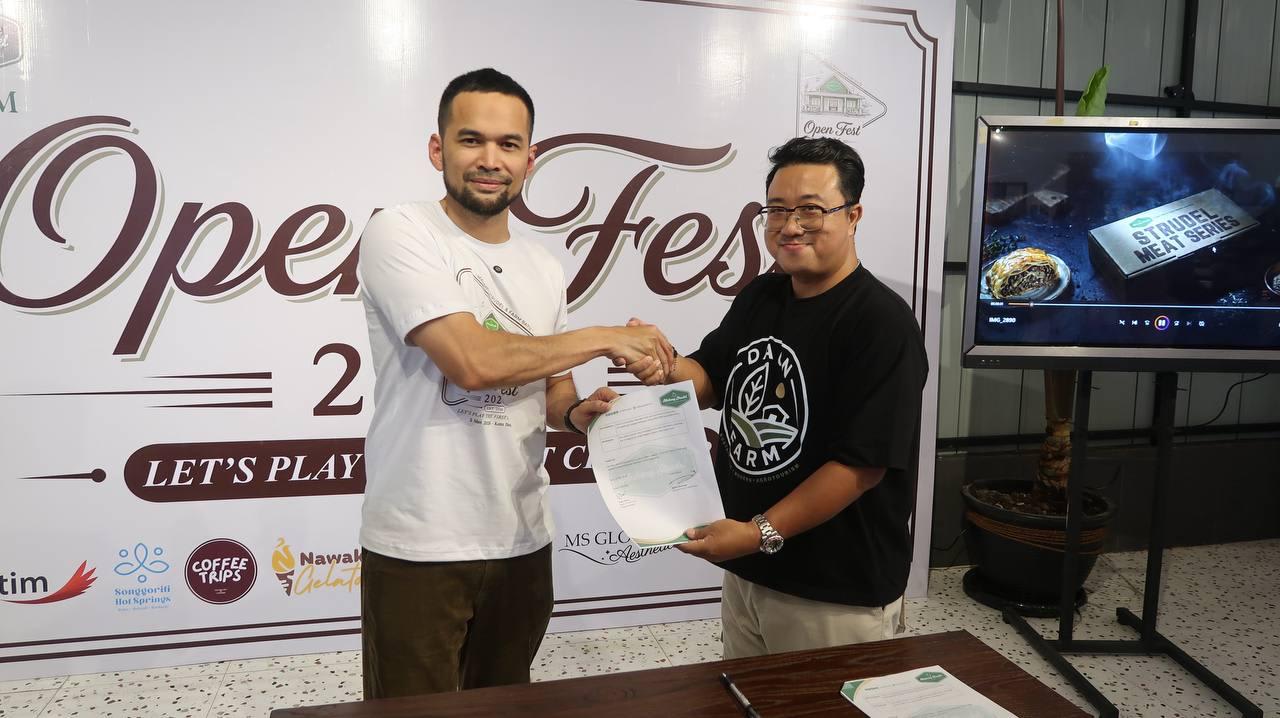
TikTok GO Brings Local Discovery to Tokopedia.
TikTok officially launched TikTok GO by Tokopedia in Indonesia on April 29, 2026 at its first Partner Summit, connecting restaurant and local-service recommendations to actual offline visits via short-form video, livestreams, search, and location-based content. The product is aimed squarely at Indonesia’s 5.28 million F&B businesses (2024), in a market where 65% of consumers already discover food options through digital platforms — and where TikTok searches for local services have grown more than 60% year-on-year. With dine-in merchant orders surging over 20x in 2025, this looks less like a feature launch and more like the start of TikTok’s serious push to own the local-discovery layer of Indonesia’s consumer internet, going head-to-head with Google Maps and GoFood.
QRIS Goes Live with China in a Two-Way Cross-Border Bridge
Bank Indonesia launched bilateral QRIS connectivity with China on Thursday, April 30, 2026, allowing residents of both countries to pay simply by scanning UnionPay and Alipay QR codes — with WeChat Pay still in development. BI Governor Perry Warjiyo framed the move as an efficiency boost for what is already a US$18 billion bilateral local-currency transaction corridor, while Chinese Ambassador Wang Lutong and ASPI Chair Santoso Liem signalled strong support. For tourism, B2B trade, and Indonesia’s broader push to internationalize its payment infrastructure, this is a much bigger deal than it looks. QRIS is quietly becoming one of Southeast Asia’s most exportable financial products.
For the first time in its corporate history, PT GoTo Gojek Tokopedia Tbk. has posted a quarterly net profit. Q1 2026 closed with IDR 171 billion in net income — a small number in absolute terms, but a watershed moment for a company that has come to symbolize the cost and complexity of building an Indonesian super-app. The era of growth-at-all-costs is officially over. What replaces it is something more interesting: a disciplined, margin-aware business model that suddenly looks a lot more sustainable.
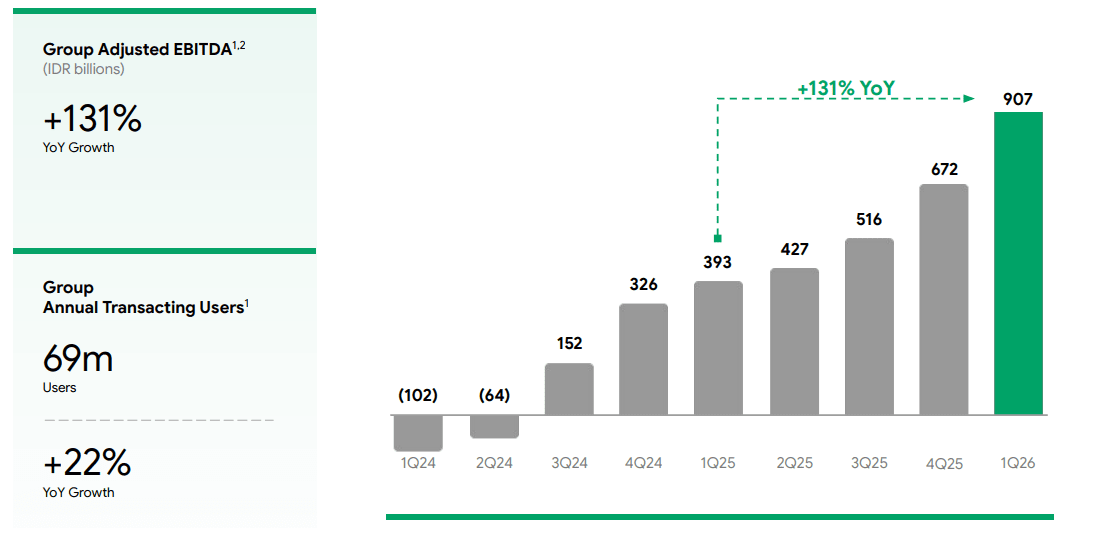
The headline numbers tell the story. Net revenue rose 26% year-on-year to IDR 5.3 trillion, driven by a deliberate product-mix shift toward higher-margin categories, with virtual goods doing meaningful heavy lifting. Adjusted EBITDA grew an outsized 131% to IDR 907 billion, reflecting the kind of operating leverage that only kicks in once subsidies are dialled back and engagement deepens with the existing user base. Annual Transacting Users hit 69 million, but the more important shift is in the cohort dynamics: GoTo is now monetizing the users it already has, rather than burning capital chasing new ones. This is what AI- and data-driven operations actually look like at scale.
What makes this moment more strategically loaded is the timing. The first-ever profit lands in the same quarter as Presidential Regulation 27/2026, which fundamentally reprices the ride-hailing economics GoTo helped pioneer. Pair that with sovereign interest from Danantara, and the picture gets remarkable: tighter regulatory margins, validated profitability, and a potential anchor investor who can take a multi-year view. Very few companies in the region are sitting at this kind of intersection right now.
The trajectory now points firmly toward GoTo’s full-year 2026 adjusted EBITDA target of IDR 3.2–3.4 trillion. For Indonesian capital markets, this is bigger than one company hitting an inflection point. It is evidence that the country’s tech generation can adapt to a more rational, profit-first version of the digital economy — and that the next phase of growth will be defined not by who can raise the most, but by who can compound the most efficiently.