
 1 month ago
23
1 month ago
23
Dear subscriber,
This week’s highlights cover key shifts across Indonesia’s digital, financial, and regulatory landscape, including Pintarnya’s rapid credit growth and the shutdown of Maucash in the fintech lending space. We also track record crypto transaction activity, new developments in artificial intelligence education, and growing interest in data center and AI investments through Special Economic Zones.
On the policy front, we highlight tighter digital governance in online gaming, continued digital taxation of global tech firms, expanded access for tax authorities to e-wallet and crypto data, ambitious QRIS growth targets from Bank Indonesia, and regulatory action against an AI platform. Rounding out the edition, we explore how global sustainability reporting standards are beginning to reshape corporate practices in Indonesia. Stay tuned for more insights on Indonesia’s tech, digital, and startup landscape in the weeks ahead.
Warm regards,
DailySocial Team
Pintarnya’s Rapid Credit Growth Signals Resilient Consumer Lending
Pintarnya’s loan disbursement reaching over 14 million transactions highlights sustained demand for short-tenor digital credit amid cautious consumer spending. Backed by January Capital, the platform’s performance reflects how alternative lenders are filling gaps left by traditional financial institutions. This growth suggests borrowers are increasingly comfortable with app-based credit for everyday needs. It also reinforces investor confidence in Indonesia’s fintech lending fundamentals, despite tighter regulatory oversight.

Maucash Shuts Down, Marking a Turning Point for Fintech Lending
The closure of Maucash underscores the increasing pressure on digital lending platforms to achieve sustainable unit economics. Rising compliance costs, funding constraints, and borrower quality challenges are reshaping the competitive landscape. This move signals that scale alone is no longer enough in Indonesia’s maturing fintech ecosystem. Market consolidation may accelerate as only well-capitalized and disciplined players remain.
Indonesia Launches ICEx as OJK-Licensed Crypto SRO
Indonesia has officially launched the International Crypto Exchange (ICEx) as an OJK-licensed self-regulatory organization for digital assets and crypto markets. Backed by a Rp1 trillion investment from a consortium of local and regional industry players, ICEx is designed to strengthen market governance, transparency, and institutional-grade infrastructure. The initiative reflects Indonesia’s push toward a more mature and regulated crypto ecosystem, aligned with global best practices such as those seen in the US and Japan. Under the supervision of Otoritas Jasa Keuangan, ICEx will oversee trade reporting, market integrity, and member supervision, positioning Indonesia to play a larger role as a regulated crypto hub in Southeast Asia.
Indonesia’s Crypto Transactions Reach New Highs
Crypto transaction value in Indonesia surged to more than IDR 482 trillion throughout 2025, signaling strong retail participation despite global market volatility. This growth reflects increasing mainstream adoption, driven by easier access through local platforms. Younger investors continue to view crypto as both an investment and speculative asset. The scale of activity further strengthens Indonesia’s position as a key digital asset market in Southeast Asia.
Universitas Indonesia to Launch AI Study Program in 2026
The upcoming artificial intelligence program at Universitas Indonesia reflects rising demand for advanced digital skills across industries. As businesses accelerate automation and data-driven strategies, talent readiness becomes a national priority. This move aligns academia with industry needs, particularly in technology and innovation sectors. It also signals Indonesia’s ambition to compete regionally in AI capability development.
KEK Targets Large Investments in Data Centers and AI
Special Economic Zones are positioning themselves to attract major investments in data centers and artificial intelligence infrastructure. This strategy supports Indonesia’s growing digital economy and cloud adoption trends. Reliable data infrastructure is becoming critical as enterprises scale digital services. The initiative also highlights government efforts to anchor long-term tech investments domestically.
Government Plans Identity Verification Cameras in Online Gaming
The plan to implement verification cameras in online platforms like Roblox signals tighter digital governance. Authorities aim to enhance user safety, especially for minors, as online gaming adoption grows rapidly. This move reflects broader concerns around digital identity and platform accountability. It may also influence how global platforms localize compliance in Indonesia.
Indonesia Maintains Digital Taxation on Global Tech Firms
Despite global minimum tax debates, Indonesia reaffirmed its stance on taxing large digital platforms. This approach protects domestic tax revenues as the digital economy expands. It also reinforces regulatory certainty for multinational technology companies operating locally. The policy reflects Indonesia’s firm position on digital sovereignty and fiscal fairness.
Bank Indonesia Targets Major Growth for QRIS in 2026
Bank Indonesia’s goal of reaching 17 billion QRIS transactions and 60 million users highlights the rapid shift toward cashless payments. QRIS continues to unify merchants and consumers under a single interoperable system. This growth supports financial inclusion, especially among SMEs and informal sectors. Digital payments are increasingly becoming part of daily economic activity.
Tax Authority Gains Access to E-Wallet and Crypto Data
The ability of tax authorities to access e-wallet and crypto transaction data marks a new era of transparency. This policy strengthens tax compliance in an increasingly digital financial environment. It also signals closer scrutiny of digital wealth and alternative assets. Users and platforms alike will need to adapt to higher reporting standards.
Indonesia Blocks Grok AI Over Regulatory Concerns
The blocking of Grok AI reflects Indonesia’s proactive stance on digital content and AI governance. Authorities emphasize the need for compliance with local regulations and content standards. This decision highlights growing attention on AI accountability and ethical use. It may shape how global AI platforms approach market entry and regulation alignment in Indonesia.
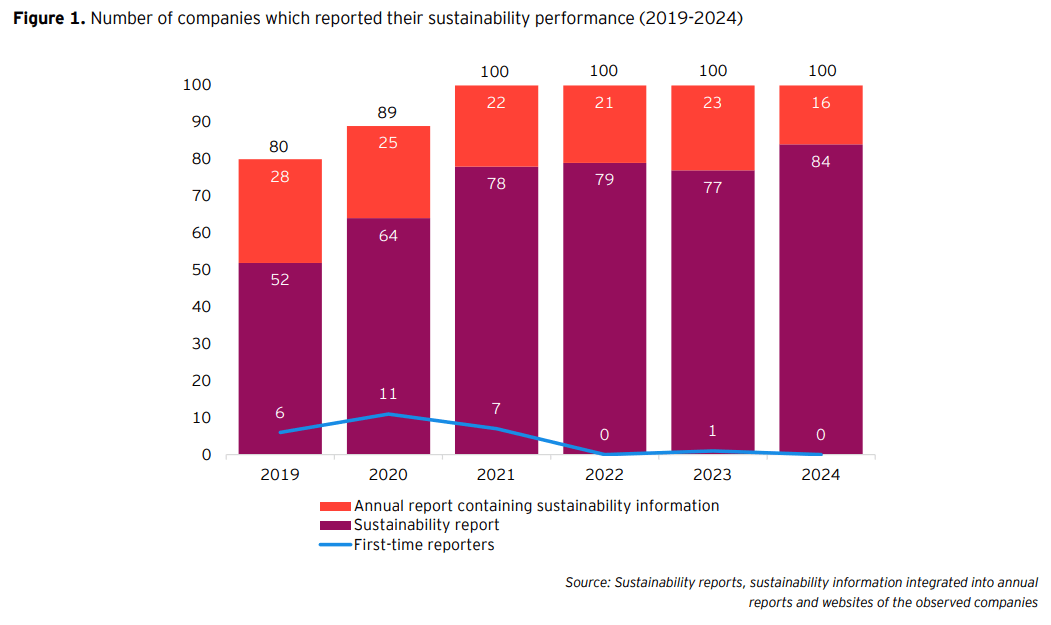
According to the report “How is the Proliferation of Global Guidelines Impacting Sustainability Reporting Practices in Indonesia?”, sustainability reporting among Indonesian listed companies has become standard practice, supported by clear regulatory direction. The number of companies publishing sustainability disclosures increased from 80 in 2019 to 100 companies consistently since 2021, with 84 issuing standalone sustainability reports in 2024, up from 52 in 2019. Adoption of global guidelines has also risen, led by GRI Standards used by 82% of companies, while 24 companies have begun referencing IFRS S1 and S2. This reflects growing alignment with global reporting expectations beyond local compliance
The report also highlights that the use of materiality assessment has strengthened but remains uneven in sophistication. 81% of companies conducted materiality assessments in 2024, compared to 61% in 2019, and stakeholder engagement is now almost universal. However, only 22% have adopted double materiality, with most companies still focusing on impact-based topics. Climate disclosures show similar gaps, where 56 companies disclosed climate targets in 2024, yet Scope 3 emissions targets remain limited and assurance adoption stands at 39%.
Overall, the findings suggest that Indonesian companies have made solid progress in establishing sustainability reporting foundations, but depth and consistency are still developing. Reporting practices remain largely compliance-led, with strategic integration of risk, financial materiality, and climate resilience concentrated in certain sectors. As IFRS (International Financial Reporting Standards) aligned sustainability standards move closer to implementation, companies will face increasing pressure to enhance data quality, governance oversight, and comparability. Early movers are likely to gain stronger investor confidence and long-term resilience.